
About Us
How We Started
After 15 years leading the SilvaCarbon program at the U.S. Geological Survey (USGS), Sylvia Wilson founded Wilpa Capacity Development LLC in 2025 to continue building technical capacity in forested countries and connecting science with decision-making through tailored workshops, remote sensing tools, and policy-relevant strategies. We believe that effective climate action comes from empowering local institutions with the tools, knowledge, and networks they need to thrive.

Our Founder
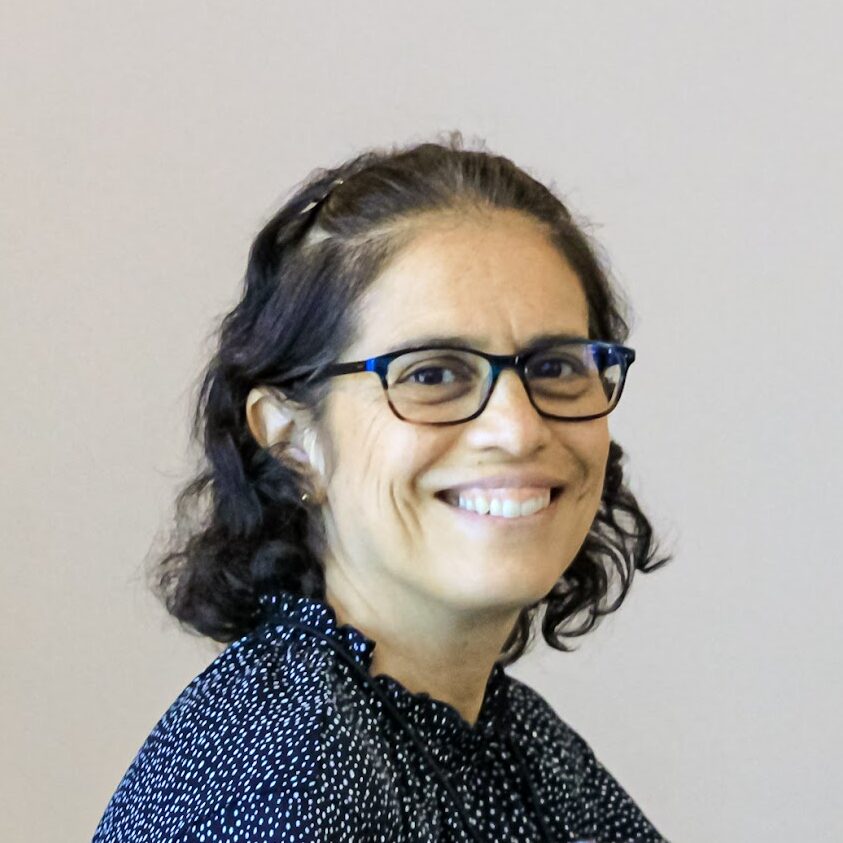
Sylvia Wilson
Forest and Climate Scientist, Founder
“I am a passionate forester and international climate consultant with over 20 years of experience supporting countries to strengthen their national forest monitoring systems. I specialize in REDD+, GHG reporting, satellite data for land monitoring, and the design of capacity development programs. I’ve worked across Latin America, Southeast Asia, and Africa, and I love co-creating solutions with governments, academics, and communities.”
Global Network of Experts
Our work requires strong science and the right expertise. Beyond Wilpa’s core team, we collaborate with a global network of professionals committed to improving forest monitoring, biodiversity conservation, and sustainable land management through capacity building. For each project, we bring together experts with the technical, regional, and institutional experience needed, including remote sensing scientists, field ecologists, policy specialists, and MRV experts. This approach allows us to match the right expertise to each project and deliver strong science, and long-term impact for forests and the communities that depend on them.
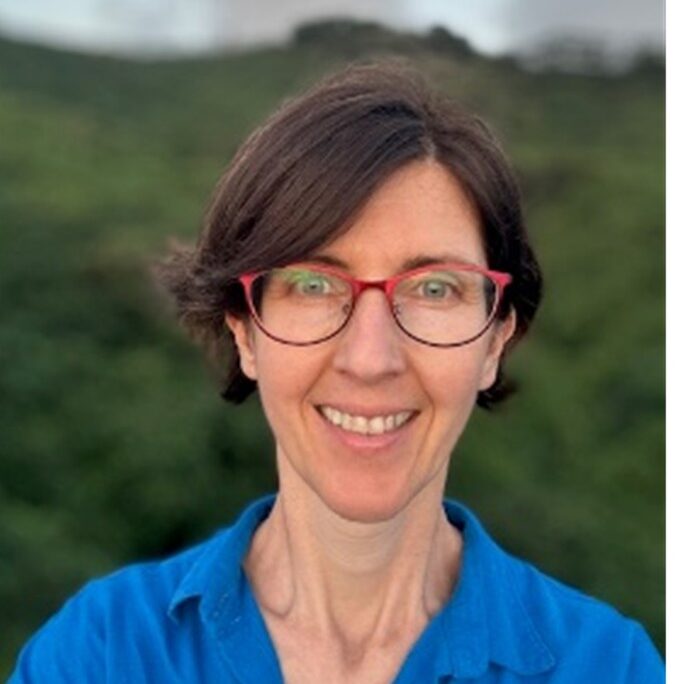
Marija Kono is a forestry and natural resources specialist with over 20 years of experience managing multi-stakeholder programs and initiatives across Asia and Europe. Over the past decade, her work has focused on forest and climate change programs, including forest monitoring, climate finance, and climate policy. She brings extensive grant management and fundraising expertise developed through engagements with the Global Environment Facility and U.S. Forest Service International Programs and Trade. Marija’s broad regional experience and deep technical knowledge make her a trusted advisor to governments, international organizations, and partners navigating complex forest governance and climate transparency challenges.
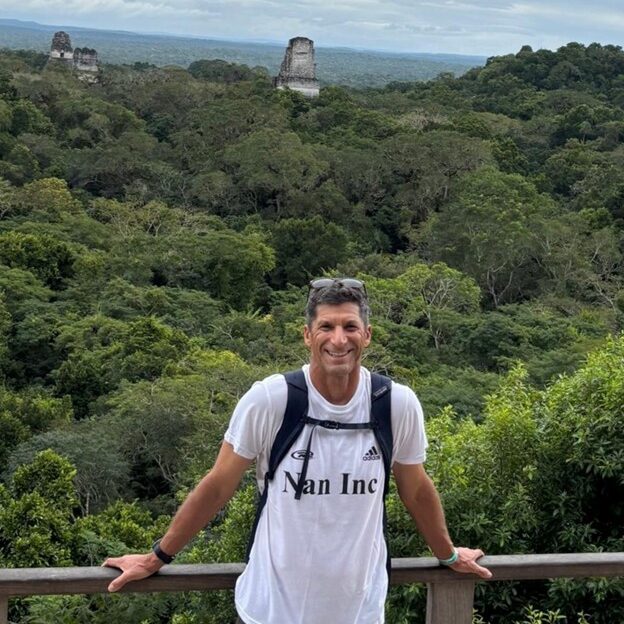
Paul Berkowitz has worked for the past five years on forest carbon monitoring with tropical countries on three continents, helping these countries to enhance their remote sensing capacity and learn various field measurement protocols. With a background in GIS, remote sensing, and environmental science, he has done a range of land use classification and change detection in Google Earth Engine and FAO’s SEPAL platform. He also led field teams for Wilpa in measuring all significant carbon pools in mangrove forests and conducted pre- and post-fire carbon measurements in Central America’s seasonally dry forests. Currently he is working on a series of case studies that highlight how different deforestation alert systems and algorithms perform across four different deforestation sites.
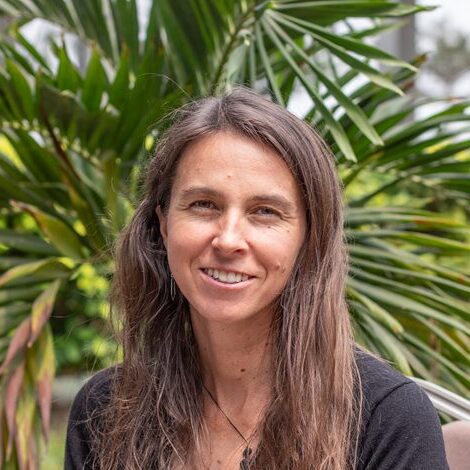
Ashley Lehman is a forest monitoring and climate transparency specialist with over 15 years of experience helping governments build credible National Forest Monitoring Systems. She previously held senior roles with the U.S. Forest Service, managing multi-country grant portfolios, budgets, and partner coordination. As a consultant, she works with ministries, forest agencies, and international organizations to integrate forest inventories, remote sensing, statistical estimation, and quality control protocols into national systems. Her expertise includes greenhouse gas inventory integration and readiness for results-based climate finance. Ashley is known for translating complex technical frameworks into practical tools and strengthening institutional capacity across multi-stakeholder processes.
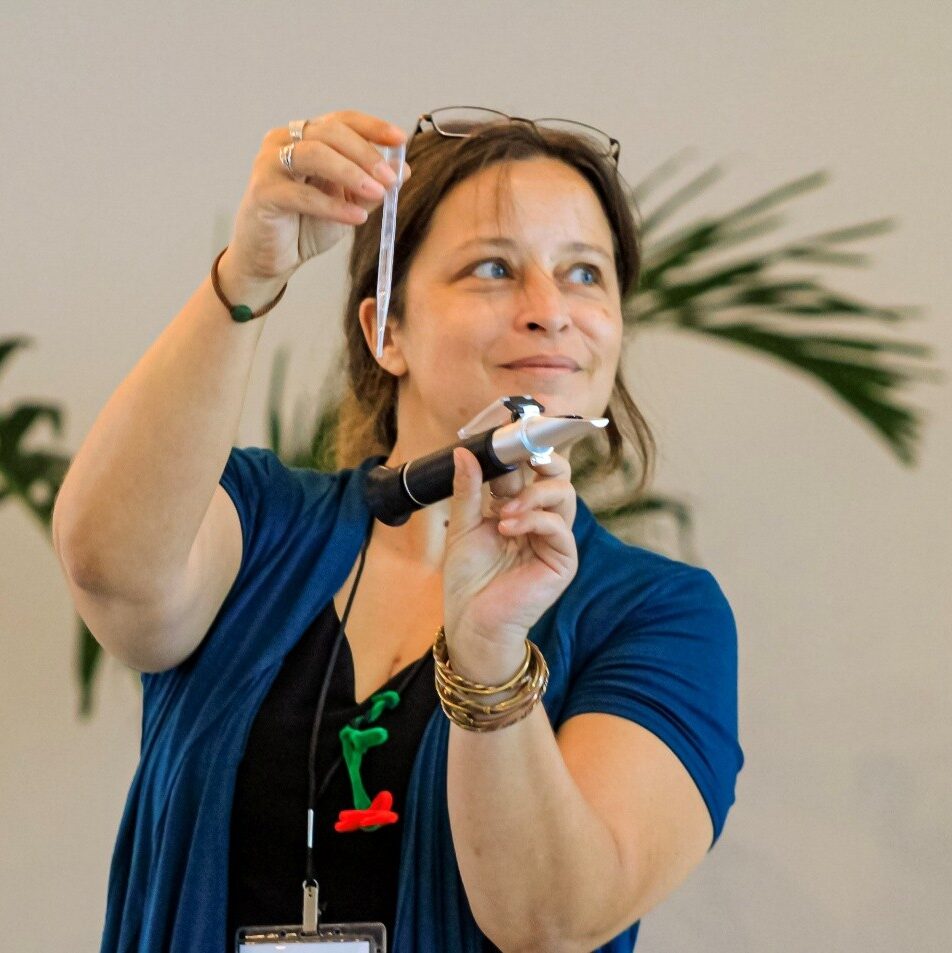
Dr. Carine Bourgeois holds a Master’s in Biology and a PhD in Biogeochemistry, bringing over a decade of experience at the intersection of carbon science, climate finance, ecosystem conservation, and national forest monitoring systems. She has worked across Central and West Africa, Southeast and East Asia, the Pacific, and the United States. Her expertise spans IPCC-aligned MRV systems, peatland and mangrove carbon stock assessment, REDD+, carbon markets, and nature-based solutions integrated into national climate strategies. She combines advanced geospatial and carbon accounting methodologies with laboratory expertise in soils, sediments, and plant tissues, bridging rigorous science with policy-relevant implementation.
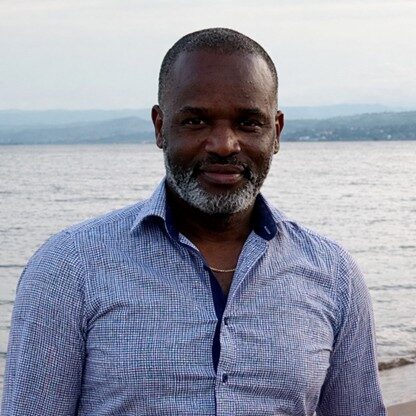
Dr. René Siwe Ngamabou is a remote sensing and climate policy expert with over 20 years of international experience in forest governance, carbon markets, and National Forest Monitoring Systems. He holds a PhD in Remote Sensing and Landscape Information Systems and has advised governments, multilateral institutions, and donors on REDD+, NDC implementation, MRV design, and results-based climate finance. He has led major climate and forest initiatives across Central and West Africa, Europe, and the United States, collaborating with partners including the World Bank, FAO, GIZ, USAID, ESA, and the U.S. Forest Service. His work bridges science, institutions, and finance to deliver measurable climate impact.
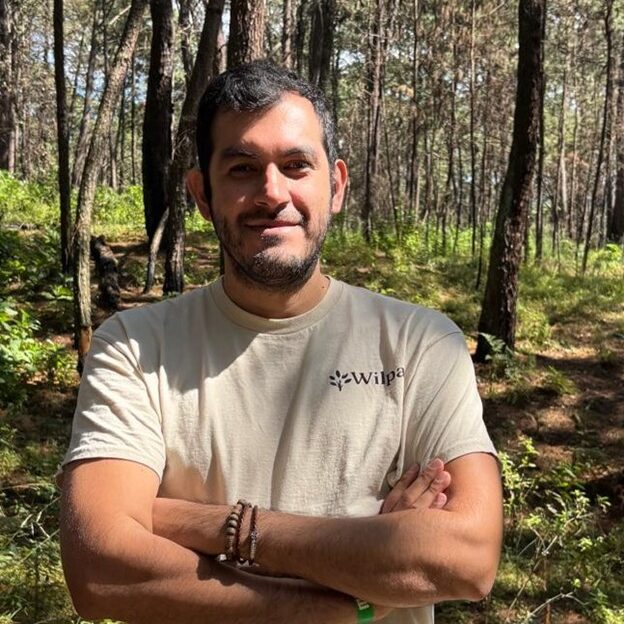
Juan Manuel Custodio de León is a geospatial analysis and remote sensing specialist with over 13 years of experience in sustainable forest management in Guatemala. His work spans satellite time-series analysis, forest cover classification, and landscape change detection, supported by geospatial databases and cloud-based processing workflows he has developed and managed. He has contributed to early warning systems for forest fires and deforestation, as well as satellite-based monitoring products that inform environmental and territorial decision-making.
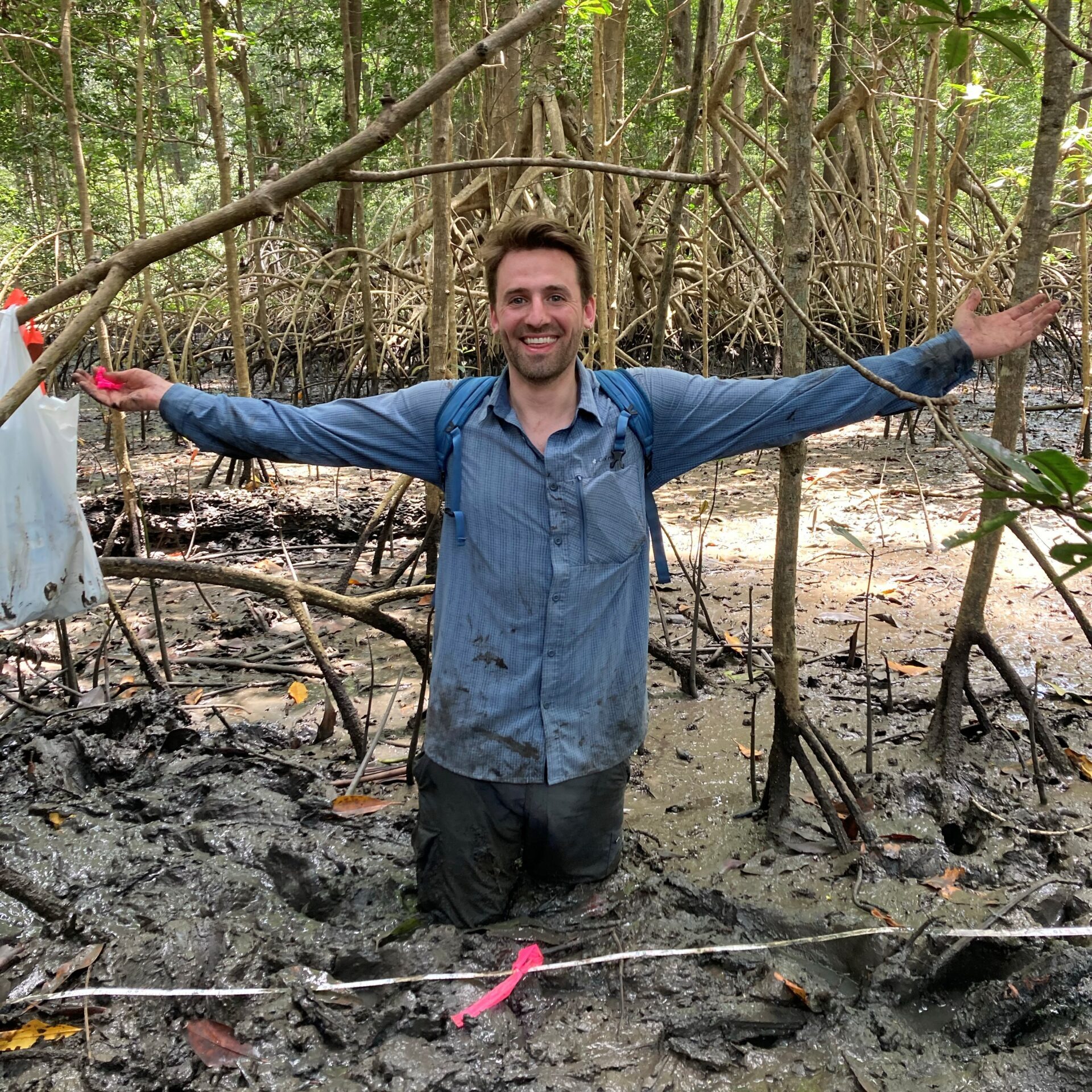
Dr. Jacob Bukoski is an Assistant Professor and Director of the Forests and Climate Change graduate certificate at Oregon State University’s Department of Forest Ecosystems & Society, and a Science Advisor at Carbon Direct. His research investigates the science, policy, and management of forest-based climate solutions, spanning carbon dynamics in forested social-ecological systems, forest carbon management under global change, and forest carbon policy, markets, and finance. He employs field studies, statistical modeling, and spatial data science across mangroves, plantation forests, and Pacific Northwest conifers. Prior to OSU, he was a postdoctoral associate at Conservation International and earned his Ph.D. from UC Berkeley.
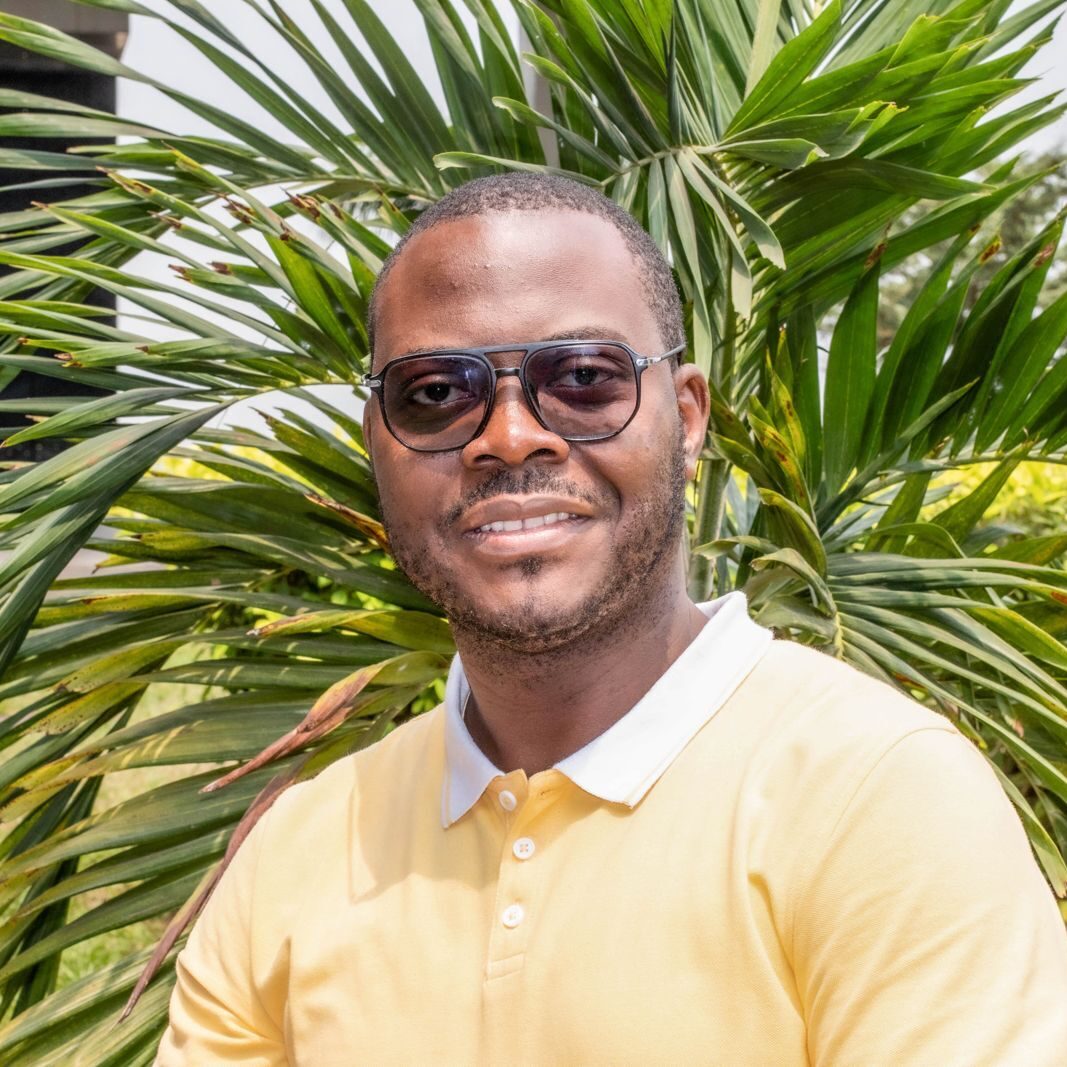
Destin Loge Lokegna is a forest and climate expert with over 12 years of experience in sustainable forest management, carbon accounting, and land-use monitoring across Central Africa. A forestry engineer with a Master’s in Sustainable Forest Management, he specializes in MRV/NFMS systems, forest mapping, and AFOLU greenhouse gas accounting. Destin has partnered with leading institutions—including the World Bank, CAFI, FAO, and the U.S. Forest Service—to implement REDD+ programs, national GHG inventories, and NDC processes. His work integrates remote sensing, field-based forest inventories, and multi-stakeholder coordination to strengthen forest governance and advance climate mitigation in the Congo Basin.
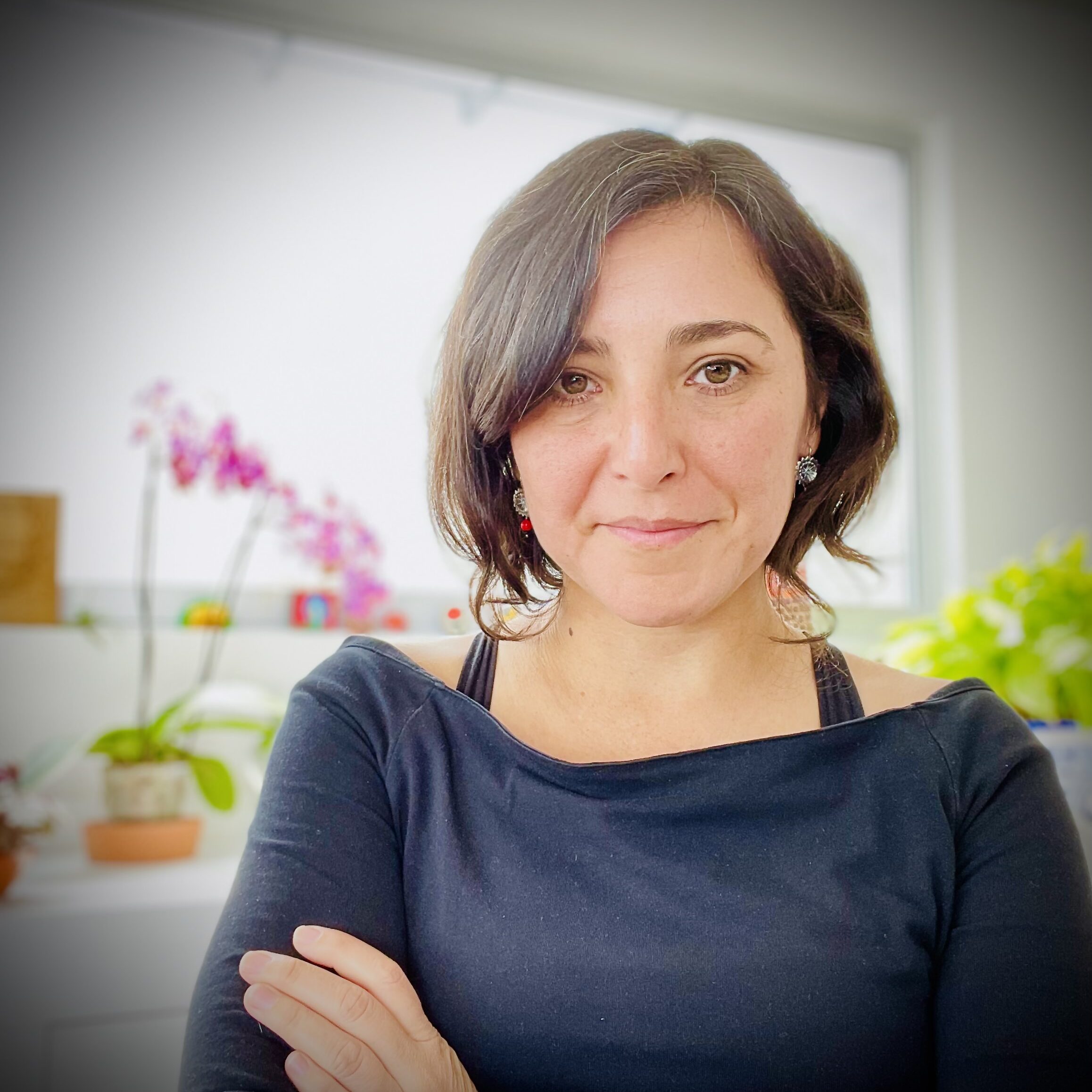
Marcela Olguín-Álvarez is a forest monitoring and modeling advisor with 20+ years of experience supporting governments in Latin America on GHG inventories and REDD+ submissions. She applies system-based approaches across the forest sector (ecosystems, harvested wood products, and substitution effects) to evaluate multi-scale mitigation pathways, assess trade-offs, synergies, and uncertainty. She supports gender-responsive capacity-building and contributes internationally as a UNFCCC Lead Reviewer for Biennial Transparency Reports and an IPCC Lead Author on short-lived climate forcers (2025–2027). Her recent work increasingly integrates decision-support tools with participatory approaches, co-designing scenarios with stakeholders to inform climate decisions in practice.